


















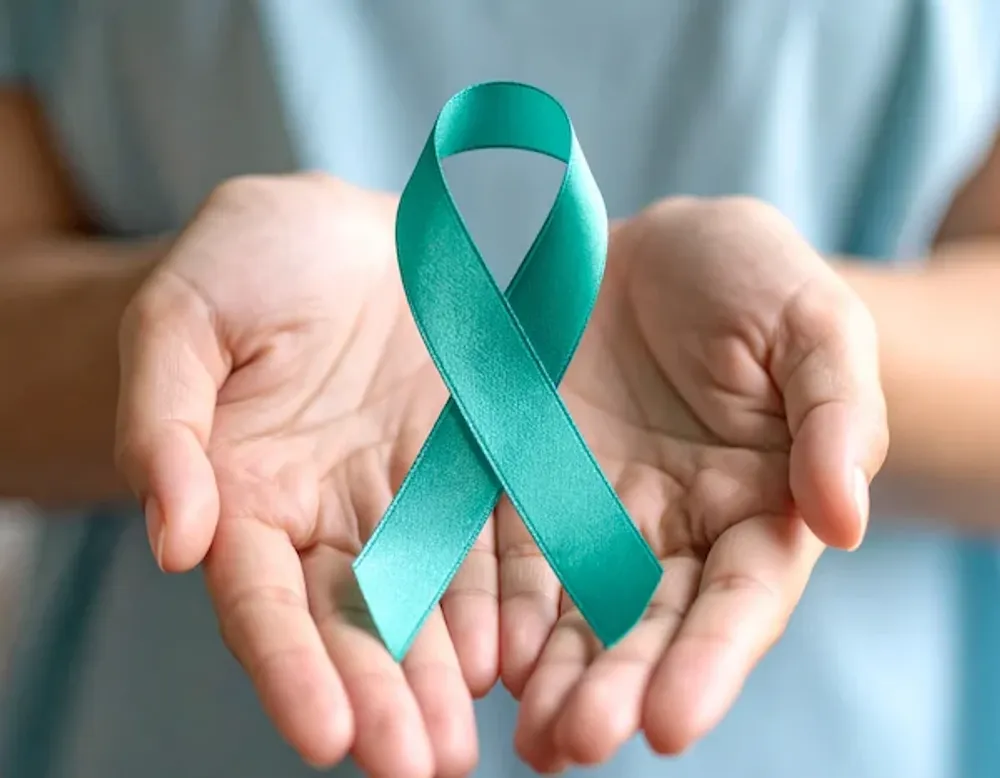
Cancer develops when cells in the body begin to grow uncontrollably, forming a mass known as a tumor (in most cases) or spreading through the bloodstream and lymphatic system. It is not just one disease, cancer refers to a group of related diseases with many potential causes.
While some causes are beyond individual control, understanding lifestyle factors, inherited genetic risks, and environmental exposures can help individuals make informed decisions about prevention and early detection.
How Cancer Develops: The Basics
Healthy cells follow a strict cycle of growth, division, and death. Cancer begins when this cycle is disrupted due to changes in the cell’s DNA. These changes (mutations) can:
- Allow cells to divide repeatedly
- Reduce the body’s ability to repair damage
- Let abnormal cells survive longer than they should
Mutations can be spontaneous or triggered by external and internal risk factors.
Lifestyle Factors That Increase Cancer Risk
Lifestyle choices play a significant role in many common cancers. Some of these factors are modifiable, meaning individuals can reduce risk by making healthy changes.
1. Tobacco Use
Smoking and tobacco use are among the most influential lifestyle risk factors for cancer. Tobacco contains carcinogens that damage DNA and contribute to cancers of:
- Lung
- Mouth
- Throat
- Esophagus
- Pancreas
- Bladder
- Kidney
Even exposure to secondhand smoke increases risk.
2. Diet and Physical Activity
Unhealthy eating patterns and sedentary lifestyles are linked to cancers of the:
- Colon
- Breast
- Endometrium
- Pancreas
A diet high in processed foods, red meat, and sugary beverages may increase risk, while a diet rich in fruits, vegetables, fiber, and lean protein supports overall health.
Regular physical activity helps maintain a healthy weight and reduces the likelihood of certain cancers.
3. Alcohol Consumption
Drinking alcohol increases the risk of cancers of the:
- Liver
- Breast
- Mouth
- Throat
- Esophagus
Risk rises with the amount of alcohol consumed, and even low levels of drinking can have an impact.
4. Obesity and Metabolic Health
Excess body fat influences hormone levels and inflammation, which may promote cancer development. Obesity is linked to a higher risk of:
- Breast cancer (post-menopausal)
- Colorectal cancer
- Endometrial cancer
- Kidney cancer
Maintaining a healthy weight through diet and exercise supports long-term cancer prevention.
Genetic and Family History Risks
1. Inherited Genetic Mutations
Some people inherit mutations that elevate cancer risk. These can be passed from one generation to the next and significantly increase the likelihood of certain cancers.
Examples include:
- BRCA1 and BRCA2 mutations (linked to breast and ovarian cancer)
- Lynch syndrome (linked to colorectal and endometrial cancer)
Inherited risks do not guarantee cancer development, but they do need earlier or more frequent screening.
2. Family History and Shared Risks
Cancer risk may be higher in families due to shared genetics, environment, or lifestyle habits. A family history of cancer, especially in close relatives before age 50, can signal a need for personalized screening and preventive strategies.
Environmental and Occupational Exposures
Certain environmental and workplace exposures contain carcinogens, which are substances known to cause cancer.
1. Air Pollution and Particles
Air pollution, especially in urban and industrial areas, contains harmful particles linked to lung and other cancers.
2. Asbestos
Asbestos exposure, common in construction and industrial settings, is strongly linked to mesothelioma and lung cancer.
3. Radiation
Exposure to radiation, whether from excessive sunlight (UV radiation) or medical imaging at high doses, increases cancer risk. Protective measures, such as sunscreen and minimizing unnecessary scans, help reduce risk.
4. Chemical Carcinogens
Some industrial chemicals (such as benzene, formaldehyde, and certain pesticides) have been associated with higher cancer rates. Occupational safety practices and regulations aim to reduce exposure.
Infections That Can Lead to Cancer
Certain viruses and bacteria can contribute to cancer development by causing long-term inflammation or altering cell behavior.
Examples include:
- Human papillomavirus (HPV): Linked to cervical, anal, and oropharyngeal cancers
- Hepatitis B and C: Linked to liver cancer
- Helicobacter pylori: Associated with stomach cancer
Vaccination (for HPV and hepatitis B), hygiene practices, and treatment for chronic infections help reduce this risk.
Age and Hormonal Factors
Age
Cancer risk increases with age because more time allows the accumulation of genetic mutations and longer exposure to risk factors.
Hormones
Hormonal changes and treatments may influence cancer risk. For example:
- Estrogen exposure is linked to certain breast cancers
- Hormone replacement therapy in post-menopausal women may increase risk
Discussion of hormone-related risks is part of individualized cancer prevention planning.
Early Detection and Screening
Regular screening helps detect some cancers before symptoms develop, which improves treatment outcomes.
Common screening methods include:
- Mammograms (breast cancer)
- Colonoscopy (colorectal cancer)
- Pap tests/HPV testing (cervical cancer)
- Low-dose CT scans (lung cancer in high-risk individuals)
Talk to a healthcare provider about appropriate screening based on age, family history, and individual risk.
Diagnosis and Care When Cancer Is Suspected
If symptoms or screening results raise concern, further diagnostic tests, such as imaging, biopsies, and blood tests, are used to confirm cancer and determine stage.
Once diagnosed, patients are usually referred to specialized care. In cities like Ahmedabad, offering comprehensive medical services, individuals may consult a reputable cancer hospital in Ahmedabad for coordinated diagnosis, treatment planning, and access to multidisciplinary oncology teams.
Reducing Your Cancer Risk: Practical Tips
Many cancer risks can be reduced with healthy habits:
1. Quit Tobacco
Seek support to stop smoking and avoid secondhand smoke.
2. Eat a Balanced Diet
Focus on whole foods, fruits, vegetables, and lean proteins; limit processed foods.
3. Stay Physically Active
Aim for regular exercise tailored to your fitness level.
4. Limit Alcohol Intake
Moderate or avoid alcohol consumption.
5. Protect Yourself From UV Radiation
Use sunscreen, wear protective clothing, and avoid tanning beds.
6. Follow Screening Guidelines
Work with your healthcare provider to stay current with appropriate cancer screenings.
7. Address Chronic Infections
Vaccination and early treatment for infections linked to cancer help reduce risk.
FAQs
Can cancer be caused by stress?
While stress affects overall health, it is not a direct cause of cancer. Chronic stress may contribute to unhealthy behaviors that increase risk.
Are all cancers hereditary?
No. Only a small percentage of cancers result from inherited genetic mutations. Most are due to lifestyle and environmental factors.
Does diet really affect cancer risk?
Yes. Diet influences body weight, inflammation, and hormone levels, all of which play roles in cancer development.
Can exercise prevent cancer?
Regular physical activity supports a healthy weight and reduces the risk of several cancer types.
Is exposure to everyday chemicals dangerous?
Not all chemicals pose cancer risk. Regulations and safety standards limit exposure to known carcinogens, but awareness and prevention remain important.
Conclusion
Cancer arises from a complex combination of different factors, including lifestyle habits, genetic predisposition, environmental exposures, infections, and age-related changes. While not all causes are within an individual’s control, many modifiable risks can be addressed through healthy living, protective behaviors, and regular medical screenings.
Understanding these risk factors enables individuals to make choices that reduce cancer risk and supports early detection when cancer does occur. With informed habits and proactive care, individuals can take meaningful steps toward better long-term health.