




















Smartphones have become such an essential part of daily life that it can be difficult to know when keeping an old one is sensible and when upgrading is truly necessary. Many people feel pressure to upgrade every year, even when their current device still works, while others hold on for too long and struggle with constant issues. The right upgrade timing is not about chasing trends, but about balancing comfort, security, and cost. A phone should support your routine smoothly instead of creating friction or stress. In this article, we will explain practical signs that indicate when upgrading makes sense and when waiting is still the smarter choice.
When Your Phone Shows Clear Performance Issues
Battery Lasts Less Than Half a Day
Battery life is one of the clearest indicators of a phone’s overall health. When a fully charged phone struggles to last even half a day under normal use, daily planning becomes inconvenient. You may find yourself constantly searching for a charger or limiting usage just to stay connected. Over time, this changes how you use your phone and adds unnecessary stress. At this point, battery degradation is no longer a minor issue but a daily disruption. Even careful charging habits cannot fully compensate once the battery has significantly aged.
Apps Crash or Run Very Slowly
Frequent app crashes and long loading times signal deeper performance limitations. Simple actions like opening messages, scanning payments, or checking maps should feel instant. When these tasks become slow or unreliable, productivity and convenience suffer. Clearing storage and restarting may help temporarily, but the issues often return. Persistent sluggishness usually means the hardware can no longer keep up with modern app demands. This can be especially frustrating when even basic apps struggle to perform reliably.
When Software Support Ends
You Stop Receiving Security Updates
Security updates protect your phone from newly discovered threats and vulnerabilities. Once these updates stop, your phone becomes more exposed during everyday activities like online payments or account logins. This risk grows over time, even if the phone still appears to work fine. Many essential apps rely on updated security frameworks to function safely. Losing updates is a strong signal that a phone is approaching the end of its practical life. For users who value privacy and financial safety, this alone can justify an upgrade.
New Apps Require a Newer OS Version
As apps evolve, they are built for newer operating systems with updated features and frameworks. When your phone can no longer install app updates, functionality slowly degrades. You may miss important improvements or be locked out of essential services entirely. This often happens suddenly after an app update cycle ends. When compatibility becomes a constant issue, upgrading becomes a practical necessity rather than a luxury. Over time, the phone may feel increasingly disconnected from the modern digital ecosystem.
When Repair Costs Outweigh Replacement
Screen or Battery Repair is Too Expensive
Accidental drops or worn batteries are common as phones age. Repairing these parts can sometimes cost a large portion of a new phone’s price. Spending heavily on repairs may only extend usability for a short time. Newer phones also offer better efficiency and longer support. When repair costs approach replacement value, upgrading often makes more financial sense. In many cases, repeated small repairs add up faster than expected.
Used Phone Prices Make an Upgrade Smarter
The resale and second-hand market can influence upgrade decisions. When older phones hold little resale value, keeping them longer offers diminishing returns. At the same time, newer models may offer strong value for their lifespan. Comparing repair costs, resale potential, and future usability helps clarify the smarter option. Sometimes, upgrading earlier actually saves money in the long run. This perspective helps users see upgrading as an investment rather than an impulse purchase.
The General Upgrade Rule for Most People
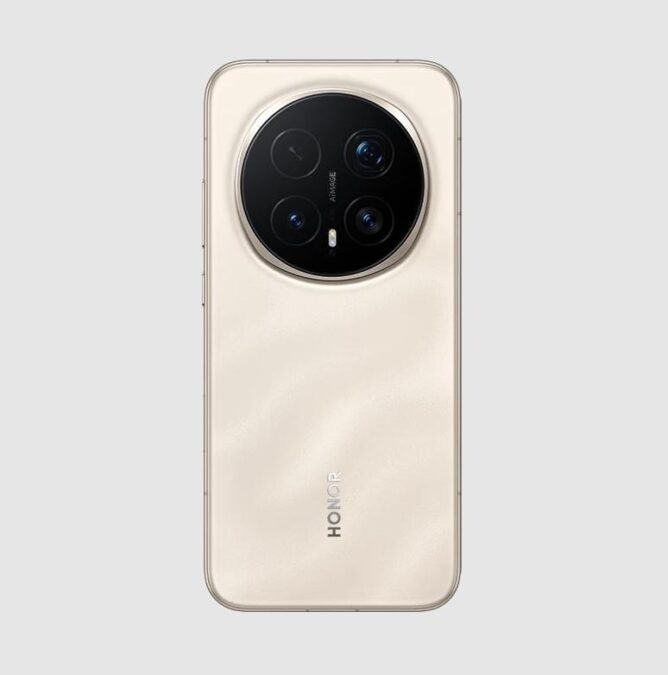
For most everyday users, a realistic smartphone upgrade cycle falls between three and four years. This timeframe usually balances performance, battery health, and software support without unnecessary spending. By this point, hardware limitations and compatibility issues often begin to affect daily comfort. Many people reach this stage and decide it is better to invest in a device designed for current and near-future needs, which is why some users naturally choose to buy HONOR Magic 8 Pro as a forward-looking option rather than continuing to struggle with aging limitations. Following a general rule instead of market hype helps upgrades feel intentional and stress-free. It also reduces the anxiety of constantly wondering whether your phone is “too old.”
Conclusion
Upgrading a smartphone should be a personal decision guided by real-life experience, not advertising cycles. Clear signs like poor battery life, constant lag, and lost software support matter more than new features alone. Understanding repair costs and long-term usability helps avoid regretful purchases. When you upgrade at the right time, the improvement feels meaningful rather than wasteful. The best upgrade is the one that restores ease, reliability, and confidence to your everyday digital life.