



















Introduction
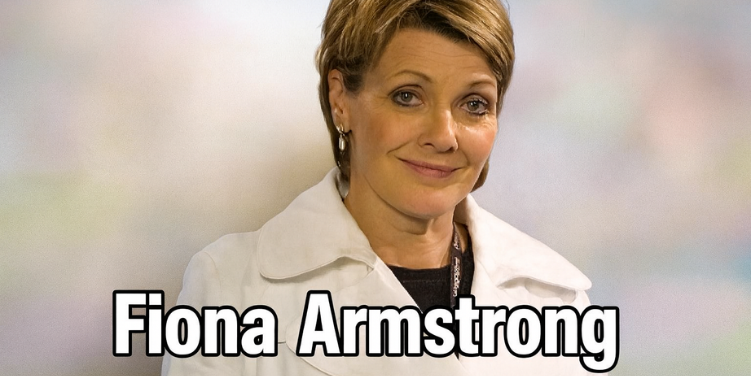
Fiona Armstrong is one of the most respected names in British broadcasting, known for her compelling journalism, articulate presentation style, and deep commitment to cultural heritage. As a British journalist, broadcaster, writer, and civic leader, she has shaped a career that blends storytelling, public service, and historical preservation. Her journey reflects both strength and sensitivity — a combination that has made her a trusted voice in regional and national media for decades.
From her early years in Lancashire and Nigeria to her rise through BBC, ITN, ITV, and her eventual appointment as Lord-Lieutenant of Dumfries, Fiona Armstrong’s contributions reach far beyond the newsroom. Her work in humanitarian reporting, Scottish clan histories, rural programming, and community service has created a multifaceted legacy. Today, she stands as a symbol of professionalism, dedication, and cultural pride.
Quick Bio
| Category | Details |
|---|---|
| Full Name | Fiona Armstrong |
| Profession | British Journalist, Broadcaster, Writer, Lord-Lieutenant |
| Nationality | British |
| Birthplace | Preston, Lancashire, England |
| Date of Birth | 28 November 1956 |
| Education | German Literature at University College London (UCL) |
| Career Start | Early 1980s (radio, then BBC Manchester) |
| Known For | National news broadcasting, Scottish clan documentaries, civic leadership |
Early Life and Family Background
Childhood in Two Worlds
Fiona Armstrong was born in Preston, Lancashire, in 1956. Her childhood was divided between England and Nigeria, where she lived for nearly a decade due to her father’s work in the colonial service. This multicultural upbringing exposed her to global experiences at a young age, shaping her worldview with curiosity and awareness.
Growing up in Nigeria gave Fiona a strong understanding of cultural diversity, community, and international issues — themes that later influenced her reporting. Returning to the UK during her youth, she continued her education and developed a growing interest in literature, writing, and communication.
Academic Foundation and Early Ambitions
She studied German Literature at University College London (UCL), where she also served as the editor of the student newspaper. This role introduced her to journalistic writing, editorial work, and the excitement of news reporting. Her education provided both the academic discipline and creative grounding that would support her long and varied media career.
Her early exposure to editorial responsibilities helped her build confidence as a communicator, preparing her for the demands of live broadcasting and investigative journalism.
How Fiona Armstrong Started Her Career
The First Steps Into Broadcasting
Fiona began her professional journey in local radio, where she learned the essential skills of clear communication, fast-paced reporting, and audience engagement. These early years were foundational, helping her build the confidence and versatility needed for television journalism.
Her talent soon took her to BBC Manchester in 1983, marking her entry into mainstream broadcasting. As a young reporter, she quickly established herself as a strong and dependable voice in regional news.
Transition to National News
Her next major step came with ITN, where she joined in 1987 as a newscaster and reporter. Here, she presented national bulletins and covered significant global and domestic stories. Her calm delivery, professionalism, and ability to adapt to breaking news situations made her a standout figure among British journalists.
During her time in national news, Fiona Armstrong reported on humanitarian crises, health issues, and international missions. Her work displayed both journalistic integrity and a compassionate approach to difficult global topics.
Rise as a Versatile Broadcaster
Feature Programmes and Documentary Work
After her success in national news, Fiona expanded into feature broadcasting, producing and presenting programmes on Scottish heritage, clan histories, countryside life, and rural culture. Her deep interest in history and tradition made her a natural fit for such work.
She created, presented, and produced more than 20 documentary-style films on Scottish clans, contributing significantly to public knowledge about Scotland’s cultural past. These programmes allowed her to blend journalism, storytelling, and historical research in a way that appealed to broad audiences.
Writing and Cultural Contributions
In addition to her broadcasting work, Fiona Armstrong became a writer and columnist. She has authored books on rural life and fishing, and contributed to newspapers and magazines focusing on Scottish culture, heritage, and lifestyle. Her writing further strengthened her reputation as a cultural ambassador for the Scottish Borders region.
Her ability to move seamlessly between journalism, documentary work, and writing showcases her breadth of talent and dedication to storytelling.
Current Role and Public Service
Lord-Lieutenant of Dumfries
In January 2016, Fiona was appointed Lord-Lieutenant of Dumfries, the personal representative of the monarch in the region. This prestigious role reflects her dedication to community service, leadership, and her strong relationship with the people of Dumfries and Galloway.
As Lord-Lieutenant, she:
- Represents the Crown at regional events
- Supports local charities and organisations
- Encourages community engagement
- Promotes cultural heritage and civic pride
Her appointment is a testament to her integrity and longstanding commitment to public life.
Continuing Influence in Media
Even while serving in her civic role, she remains active in broadcasting and writing. She continues presenting regional features, contributing to television programmes, and supporting cultural projects. Her ability to balance media work with public leadership underscores her professionalism and strong work ethic.
Fiona Armstrong’s Impact and Cultural Influence
A Trusted British Journalist
Fiona Armstrong’s decades-long career has made her one of the trusted names in British journalism. Whether reporting on complex humanitarian stories or hosting heritage shows, she has consistently demonstrated clarity, empathy, and authority.
Preservation of Heritage and History
Her extensive work on Scottish clan histories and rural lifestyle has helped preserve and popularise cultural narratives that may otherwise have been overlooked. Through her documentaries and writing, she has given audiences insight into Scotland’s vibrant past and living traditions.
Conclusion
Fiona Armstrong’s life and career embody a powerful blend of journalism, cultural stewardship, and public service. From her early years in Nigeria and Lancashire to her rise in British broadcasting and her current position as Lord-Lieutenant, she has built a legacy based on integrity, authenticity, and dedication. As a British journalist, writer, and civic leader, she continues to inspire through her storytelling, community contributions, and unwavering commitment to heritage and public life.
FAQs
Who is Fiona Armstrong?
Fiona Armstrong is a British journalist, broadcaster, writer, and the Lord-Lieutenant of Dumfries.
What is Fiona Armstrong known for?
She is known for national news presenting, Scottish clan documentaries, rural programming, and her civic work as Lord-Lieutenant.
How did she start her career?
She began in local radio, joined BBC Manchester in 1983, and later became a national newscaster at ITN.
What topics does she specialise in?
She specialises in Scottish heritage, rural culture, humanitarian reporting, and documentary storytelling.
Is Fiona Armstrong still active?
Yes, she remains active in broadcasting and continues her duties as Lord-Lieutenant of Dumfries.