



















Introduction
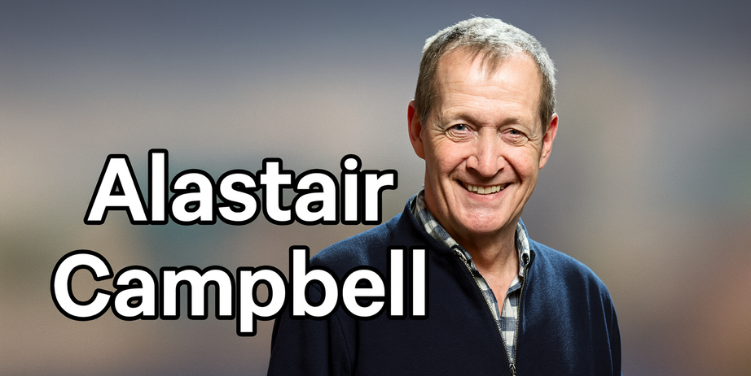
Alastair Campbell is one of the most influential and debated figures in modern British politics. Known globally for his strategic communication skills, he played a defining role in shaping the image and messaging behind Tony Blair’s government. As a former journalist, author, political strategist, and broadcaster, Campbell’s career is marked by both exceptional achievements and unavoidable challenges. His ability to control narratives, manage crises, and influence public opinion has earned him admiration as well as criticism, making him a powerful and complex personality in the world of politics.
Beyond his political career, Alastair Campbell has become a respected voice in media, public speaking, and political commentary. His transition from journalism to high-level political strategy reflects a remarkable evolution. Today, he continues to influence discussions on leadership, mental health, governance, and communication, proving that his expertise extends far beyond the corridors of Downing Street. His story blends determination, intellect, resilience, and the ability to adapt to new forms of communication.
Quick Bio
| Category | Details |
|---|---|
| Full Name | Alastair John Campbell |
| Profession | Political Strategist, Author, Broadcaster, Former Journalist |
| Nationality | British |
| Birthplace | Keighley, Yorkshire, England |
| Date of Birth | 25 May 1957 |
| Education | Modern Languages, University of Cambridge |
| Career Start | Journalism (Early Career), Political Strategy (1994) |
| Known For | Director of Communications & Strategy for Tony Blair |
Early Life and Formative Years
Alastair Campbell was born on 25 May 1957 in Keighley, Yorkshire. His early years were shaped by a combination of academic encouragement and exposure to different communities. Growing up in a family where education and professional stability were valued, Campbell developed strong analytical skills and a passion for languages. His move to Leicester during childhood introduced him to new environments, widening his understanding of people and communication—skills that later became central to his profession.
His academic journey led him to the University of Cambridge, where he studied Modern Languages. This academic background helped him build a foundation in writing, cultural interpretation, and communication. His time at Cambridge strengthened his intellectual discipline and writing ability, influencing his later success as a former journalist and political communicator.
Beginning as a Former Journalist
Entry Into Media
Campbell began his professional life in journalism. Starting with a trainee role in regional newspapers, he quickly established himself as a committed and talented writer. His early career sharpened his ability to craft narratives, investigate stories, and understand how the media influences public perception. These skills later formed the backbone of his political communication strategies.
Working for major publications, he gradually moved toward political reporting. His tenure at a national newspaper allowed him to gain deep insight into the relationship between politics and the press. As he rose through the editorial ranks, his influence within UK journalism strengthened, giving him a unique perspective on the inner workings of Westminster.
Transition Toward Political Strategy
Campbell’s growing experience as a political reporter made him valuable to political leaders seeking strong media advisers. His understanding of headlines, public opinion, and messaging helped pave his path from journalism to political communication. The transition marked a major turning point, one that would define his legacy in British politics.
Political Career and Rise to Influence
Working with Tony Blair
In 1994, Alastair Campbell joined Tony Blair as his Press Secretary. This collaboration marked the beginning of a new chapter in British political communication. Known for his discipline, strategic thinking, and strong leadership skills, Campbell became a core architect of the “New Labour” brand. Through strategic messaging and media management, he played a key role in shaping public confidence ahead of the 1997 election.
His influence during this time was both significant and far-reaching. Campbell’s ability to unify communication across government departments, manage crises, and maintain message consistency contributed greatly to Labour’s historic landslide victory. His position expanded as he became Director of Communications and Strategy at 10 Downing Street.
Strengths and Challenges in Government
As a central figure in government communication, Campbell oversaw press briefings, coordinated national messaging, and helped guide public policy narratives. His assertive communication style made him both a trusted adviser and a polarizing figure. Supporters praised him for professionalizing political strategy, while critics argued that his influence pushed politics toward excessive media control.
His role during major national decisions added layers of complexity to his legacy. Working under intense pressure, he was often at the center of national debate. This period taught him resilience, crisis management, and the weight of public scrutiny.
Life After Government
Writing and Publishing
After leaving government, Campbell redirected his energy into writing. His political diaries became widely read and valued for their insight into UK political history. He also authored books on mental health, leadership, and fiction. His writing career highlights his ability to blend personal experience with professional analysis, giving readers a deeper understanding of political strategy and public life.
Broadcasting, Speaking, and Commentary
Campbell evolved into a prominent broadcaster and speaker. He appears regularly on television and radio, sharing views on politics, leadership, and communication. As a co-host of a major political podcast, he continues to shape public discourse. His willingness to embrace new media platforms demonstrates his adaptability and modern approach to communication.
Influence, Values, and Public Image
Communication Expertise
Campbell is widely regarded as a master strategist with unmatched communication skills. His career showcases the importance of messaging, emotional intelligence, and clarity. Whether as a government adviser or commentator, he consistently demonstrates an ability to simplify complex issues for the public.
Controversies and Complex Legacy
His sharp style and strategic approach have generated criticism as well as praise. Campbell’s political career includes moments of conflict, intense debate, and public disagreements. However, these challenges also highlight his resilience and unwavering commitment to communication excellence. His legacy is defined by both positive breakthroughs and challenging moments—making him a multifaceted and influential figure.
Latest Work and Continued Impact
Campbell remains heavily involved in modern political commentary. Through writing, broadcasting, and public speaking, he continues to influence UK political conversations. His voice resonates with audiences seeking clarity, insight, and candid analysis. Whether discussing government strategy or social issues, he remains a prominent and respected communicator.
Conclusion
Alastair Campbell’s life is a powerful example of how communication shapes leadership and public understanding. From his beginnings as a former journalist to becoming one of the most recognized political strategists in British history, his journey reflects both determination and complexity. He continues to engage audiences through writing, broadcasting, and commentary, proving that influence is not limited to political office. Campbell’s story is a combination of strength, controversy, insight, and continuous reinvention—a narrative that ensures his place among the most impactful public figures of modern times.
FAQs
Who is Alastair Campbell?
Alastair Campbell is a British political strategist, author, broadcaster, and former journalist known for his role in shaping the communication strategy for Tony Blair’s government.
What is Alastair Campbell known for?
He is best known for his work as Director of Communications and Strategy for the UK Prime Minister and for his influence on the “New Labour” political movement.
What did he do before politics?
Before entering politics, Campbell worked as a former journalist, writing for national newspapers and specializing in political reporting.
What does Alastair Campbell do now?
He now works as a writer, commentator, broadcaster, and public speaker, contributing to ongoing political and social discussions.
Why is Alastair Campbell influential?
His expertise in communication, strategic thinking, and political narrative building has had lasting impact on modern British politics.